

Stockholm's bed bug evidence is broader than one bad hostel and broader than hostels alone. Stockholm County drove Sweden's 2025 increase in bed-bug treatments, city inspectors documented more temporary-accommodation complaints, and public records mention shelter-style sleeping accommodation. The clearest traveler-facing evidence still clusters around budget hostels and short-stay apartments rather than ordinary hotels or public transit.
This is an evidence note, not an inspection certificate. Reviews can be wrong, older reports can be fixed, and bites alone are weak evidence. The useful question is simpler: where do repeated reports show up, and does the pattern look hostel-only or broader?
Use the live Stockholm hostel page for current HostelPunk rankings and property-level bed bug markers.
Hostels with bed bug reports in Stockholm


What the public web shows
- National pest-control data: Anticimex's 2025 report says Sweden had 10,662 bed-bug treatments in 2025, up 19% from 2024. Stockholm County had 5,232 treatments, up 44%, representing 49% of all Swedish Anticimex bed-bug treatments. The report links spread mainly to overnight travel and luggage, and says bed bugs occur in both homes and hotel rooms.
- Stockholm media / pest-control context: Svenska Dagbladet reported on Apr. 9, 2026 that Stockholm "sticks out" in the Anticimex trend, with the Stockholm area accounting for about half of national treatments. Anticimex's expert attributed the rise mainly to high flows of people and record overnight stays, while cautioning that there was no single cause.
- Tourism pressure: Stockholm Business Region reported a historic 2025 record of nearly 16 million guest nights in Stockholm County. That supports the travel-churn explanation offered by Anticimex, especially for accommodation with frequent bed turnover.
- City inspection records: Stockholm's environmental and health committee follow-up for 2023 says temporary-accommodation inspections were driven by complaints from residents or tourists, mainly involving suspected pests, bed bugs, cockroaches, poor cleaning/hygiene, damp/mould, noise, and low indoor temperature. It specifically noted an increase in bed-bug complaints for temporary accommodation, and described a serious May 2023 city-centre hostel case that led to an unannounced inspection, operating prohibition with recurring fines, repeated follow-up inspections, and eventual closure/remediation.
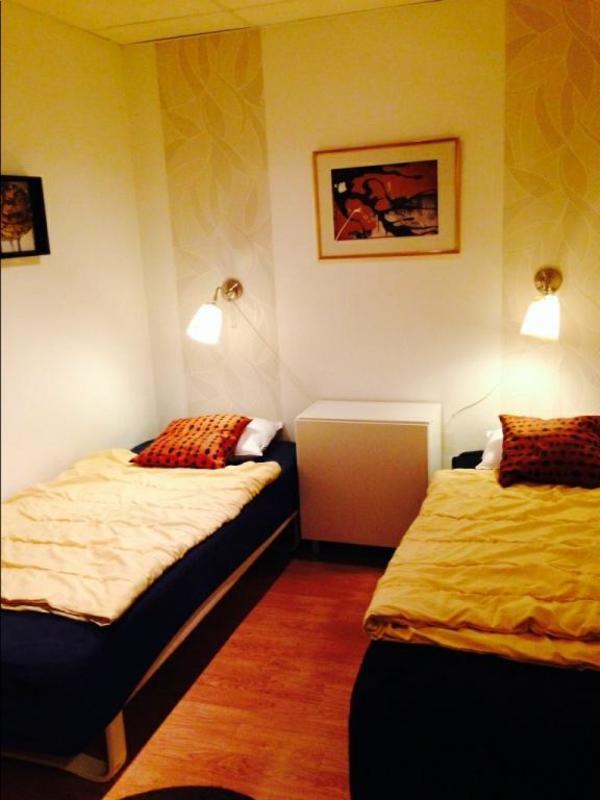
- Named hostel review evidence: Booking.com reviews for Klara Hostel Stockholm / City Lodge include a detailed Oct. 2024 verified-stay report titled "Bed Bugs and Unsafe", saying bugs were seen on the wall, pillow, and earplugs. The same review page shows later 2025 complaints about bugs or blood-sucking bugs, including an Aug. 2025 single-room review with images and a July 2024 review alleging bed bugs in two rooms.
- Review aggregators / OTAs: Tripadvisor and Expedia snippets for City Lodge Stockholm include bed-bug complaints. Wanderlog's aggregation for City Lodge flags reported bed-bug infestations and unsanitary conditions. These are useful corroborating signals, but less strong than primary review pages or inspection records.
- Recent traveler forum report: A Reddit r/Bookingcom post from April 2026 describes a seven-night Stockholm hostel booking where the guest says they photographed bed bugs, escalated to staff and the owner, sought a refund, and considered reporting the property to Stockholms Miljöförvaltningen. This is a single self-report, but it is recent and consistent with the detector's recent-hostel signal.
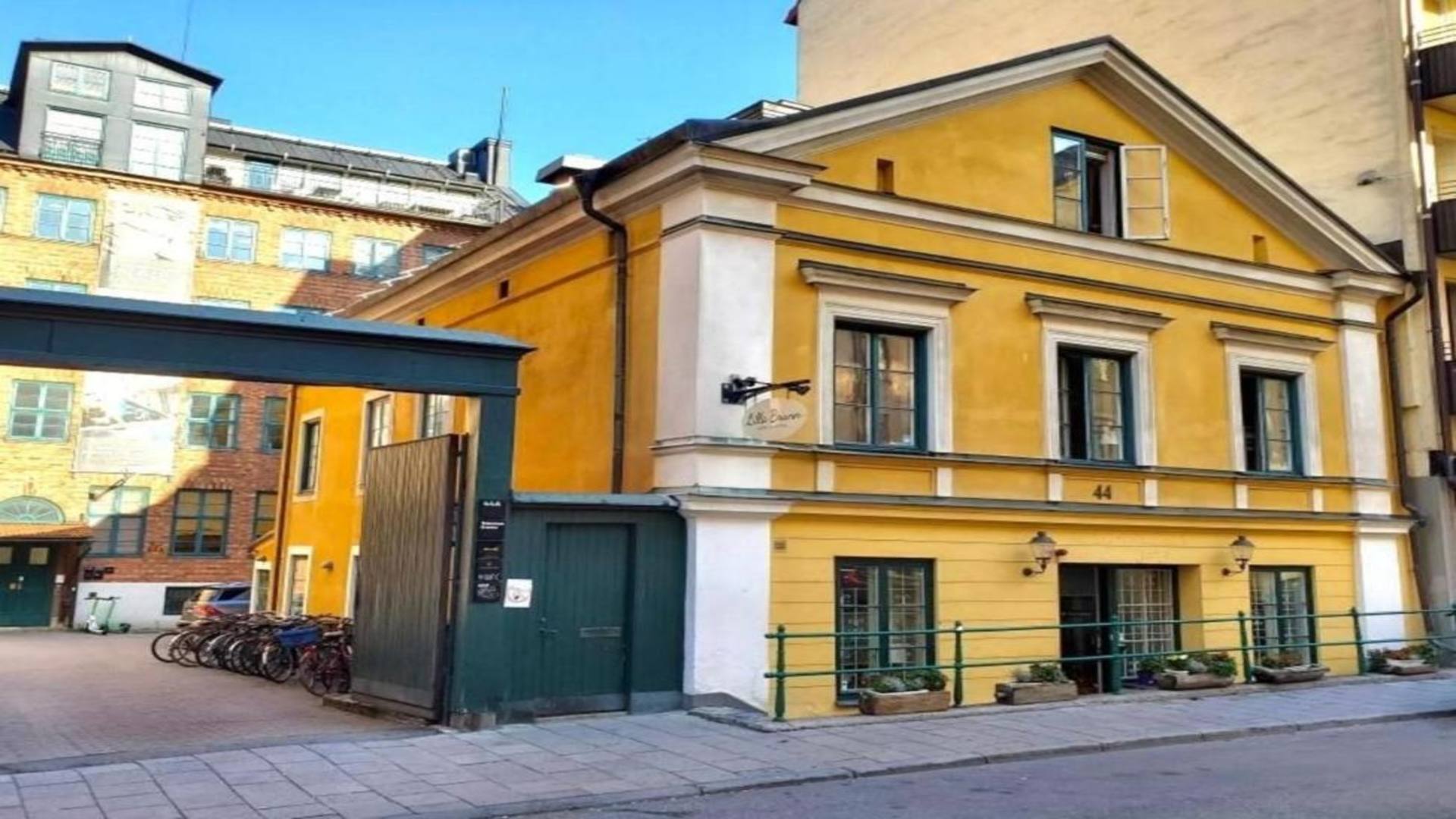
- Apartments / short stays: A Booking.com review page for a Stockholm apartment ("Charming apartment in a red house in Stockholm") includes a guest report of several bed bugs on the second night, medical disruption, and professional cleaning costs. This suggests the signal is not limited to dorm-style hostels.
- Shelter / social accommodation: A Stockholm city social-services report for Nov. 2023-Apr. 2024 says bed bugs were discovered in a night shelter, spread to three bedrooms/eight sleeping places, caused closure for Anticimex treatment, and recurred on three later occasions in Q1 2024 before further sanitation.
- Non-sleeping premises: SVT reported in 2018 that bed bugs were found in several spaces at the Swedish Public Employment Service office in Kista Galleria. Anticimex said spread between premises in the same building is generally not a large risk, but shared cleaning equipment could spread them. This is older and unusual, but shows bed bugs can appear outside hotels/homes.
Why this place fits the pattern
- High travel and accommodation churn: Stockholm had record guest nights in 2025, and Anticimex identifies overnight travel and luggage as the main spread route. This fits hostels, budget hotels, apartments, shelters, and other shared sleeping environments.
- Large metro concentration: Stockholm County holds Sweden's largest population and visitor flows, so a large share of national treatments is plausible even without a unique local failure mode.
- Budget/shared-room mechanics: Dorms and converted rooms have high bedding turnover, many close sleeping places, shared laundry/storage, and guests arriving from many routes. The city inspection record's serious hostel case also points to cleaning and hygiene failures as accelerants.
- Hard eradication: Anticimex notes bed bugs hide near beds, can survive long periods without food, reproduce quickly, and often require professional treatment. Delayed treatment or continued room rental can make a small introduction become a property-level problem.
- Housing pressure / informal accommodation: Stockholm city and media have separately documented illegal or improvised accommodation use in residential buildings. I did not find direct bed-bug linkage in that material, but high-density short stays and weak management could plausibly increase detection and treatment problems.
Is it just hostels?
Broader than hostels, but still mostly a sleeping-accommodation problem in the public evidence found. The strongest current signals are budget hostels and short-stay apartments, backed by official Stockholm records on temporary-accommodation complaints. Anticimex data shows a much wider county-level problem across homes and hotel rooms, and the shelter report shows spread in social accommodation. I did not find strong evidence that Stockholm public transit, museums, restaurants, or ordinary public spaces are an established reservoir. The pattern is best described as high-turnover lodging plus broader domestic introductions, not a confirmed citywide transit/public-space infestation.
Caveats
- Anticimex data is company treatment volume, not a full public-health registry; market share and insurance relationships can affect counts.
- Review-site evidence can involve misidentified insects, delayed bite reactions, duplicate syndication, removed reviews, or unresolved disputes.
- The detector metrics are hostel-focused and may undercount hotels, apartments, shelters, and private housing.
- Some of the strongest official Stockholm inspection details are from 2023-2024, while the pest-control trend is 2025 and review evidence spans 2024-2026.
Sources
- Anticimex report: Vägglöss i Sverige 2025
- Anticimex news release, 2026: 19% more bed-bug treatments in 2025
- Cleannet, Mar. 30, 2026: half of cases in Stockholm area
- Svenska Dagbladet, Apr. 9, 2026: Stockholm stands out in bed-bug increase
- Stockholm Business Region, 2026: nearly 16 million guest nights in 2025
- Stockholm environmental committee follow-up, 2023 temporary-accommodation complaints
- Booking.com: Klara Hostel Stockholm / City Lodge reviews
- Tripadvisor: City Lodge Stockholm reviews
- Expedia: City Lodge Stockholm reviews
- Wanderlog: City Lodge Stockholm review aggregation
- Reddit r/Bookingcom, Apr. 2026: Stockholm hostel bed-bug refund dispute
- Booking.com: Charming apartment in a red house in Stockholm reviews
- Stockholm social-services report, Nov. 2023-Apr. 2024 shelter bed bugs
- SVT Stockholm, Sep. 26/27, 2018: Kista Galleria office bed bugs