

Santiago is a hub, not a destination. You're either using it before somewhere more scenic, or you got off the bus here and you're wondering why nobody warned you. The boring math of where-you-sleep matters more than in most South American capitals: half of central Santiago is fine, half is a phone-snatcher's optimization problem, and the boundary is a real boundary, not a vibes-based one.
Geography in one line: east of Cerro San Cristóbal trends safer, cleaner, more expensive, and progressively more boring; west gets denser, scrappier, more interesting, and quicker to go sideways. Barrio Italia / Ñuñoa is the local maximum for backpackers — walkable, alive at night without being a casino, and noticeably less phone-snatchy than Centro.
Where to stay
- Barrio Italia / Ñuñoa edge — the answer for most people. Restaurants, bars, bike lanes, calmer at night, still a pulse.
- Providencia — first-timer default. Metro, parks, supermarkets, hostels. Reads slightly corporate, but it works.
- Lastarria — pretty and central, museums next door. Theft zone after dark; don't wave a phone around.
- Bellavista — sleep here only if nightlife is the point. Loud, sketchier late.
- Centro / Estación Central — for logistics, not vibes. Watch your bag near terminals.
- Las Condes / Vitacura — clean, expensive, dead. Skip unless someone else is paying.
See the live Santiago hostel rankings
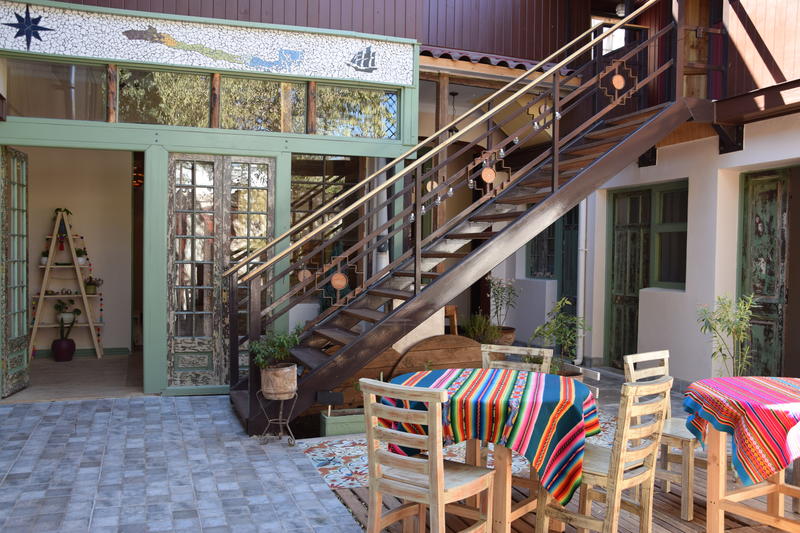
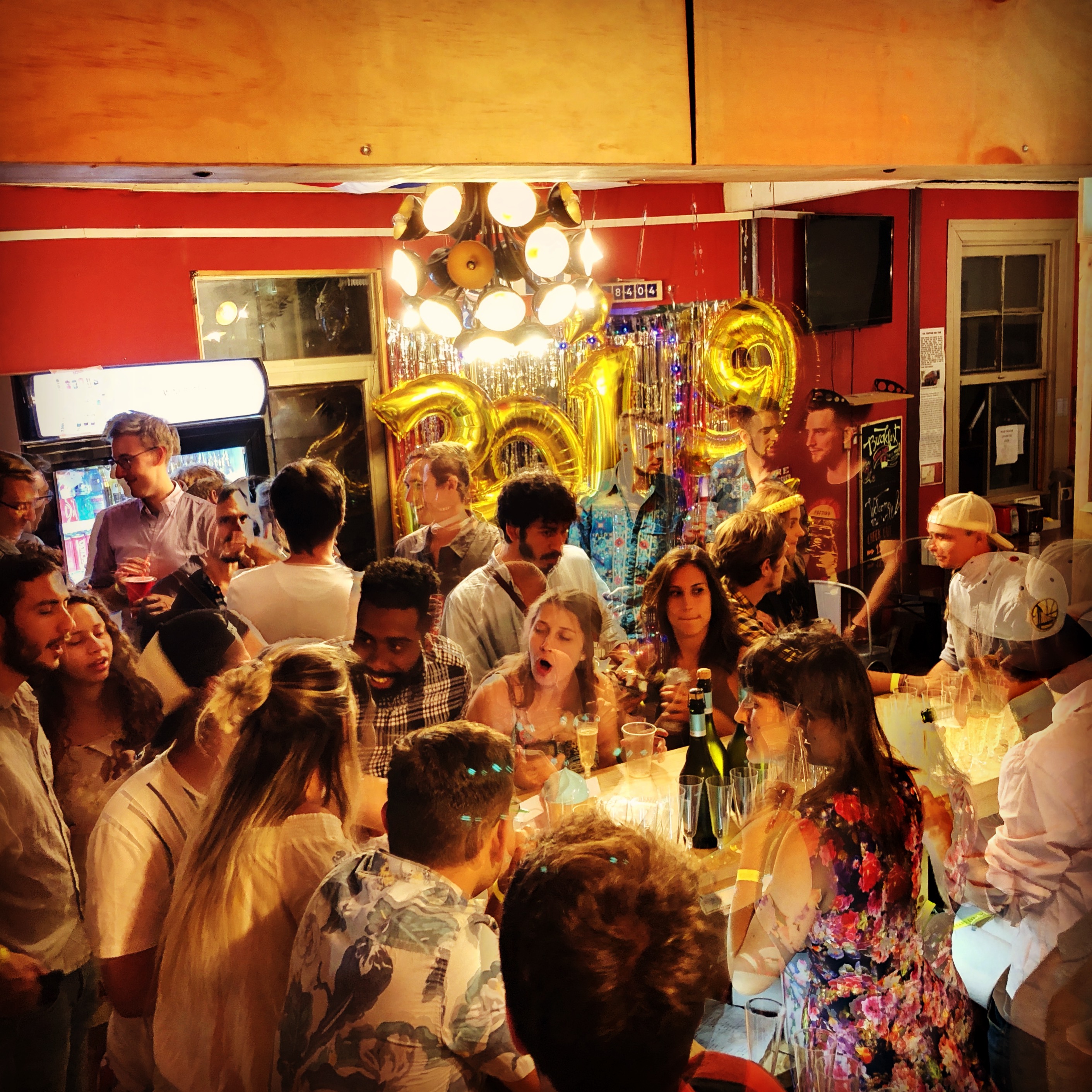
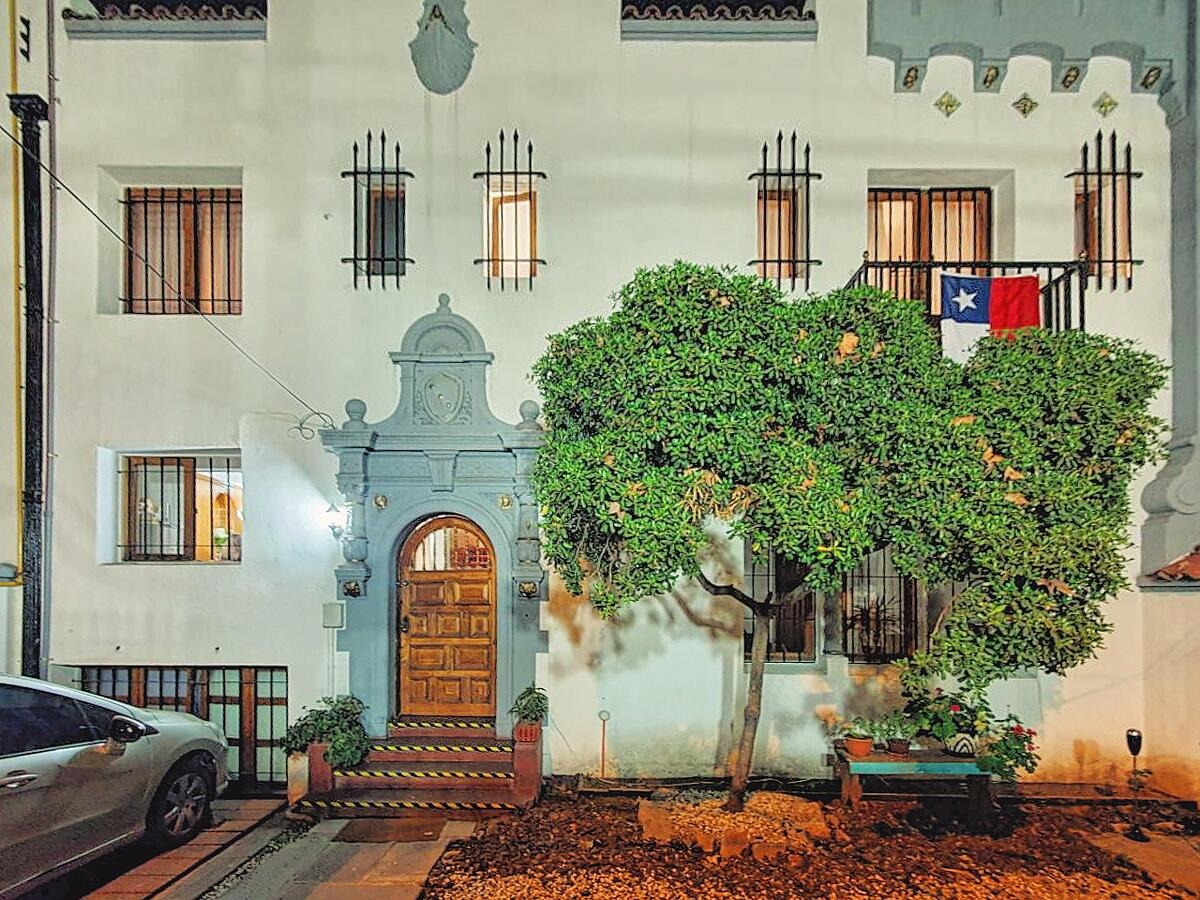
Best hostels in Santiago
See all Santiago rankings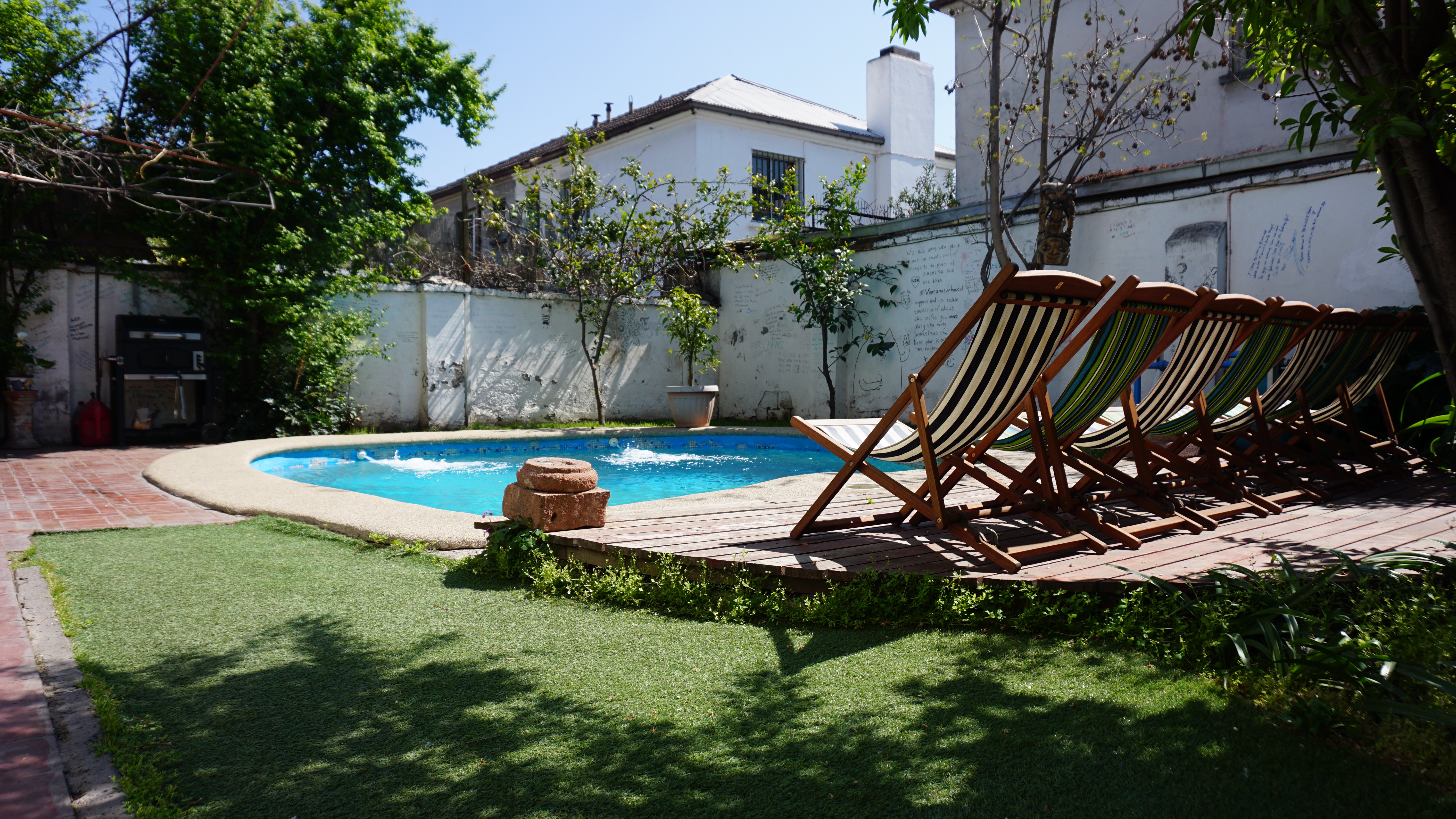
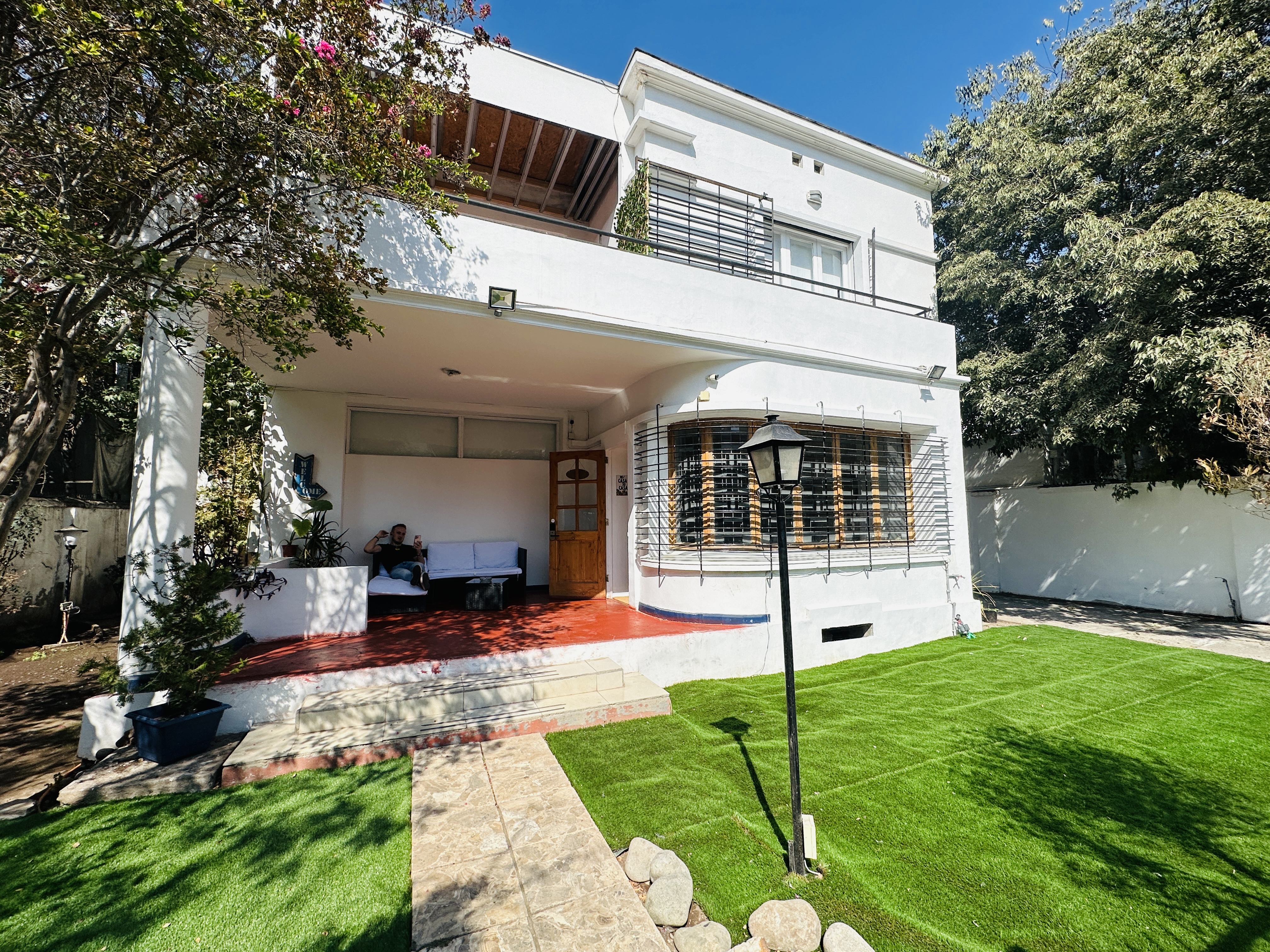
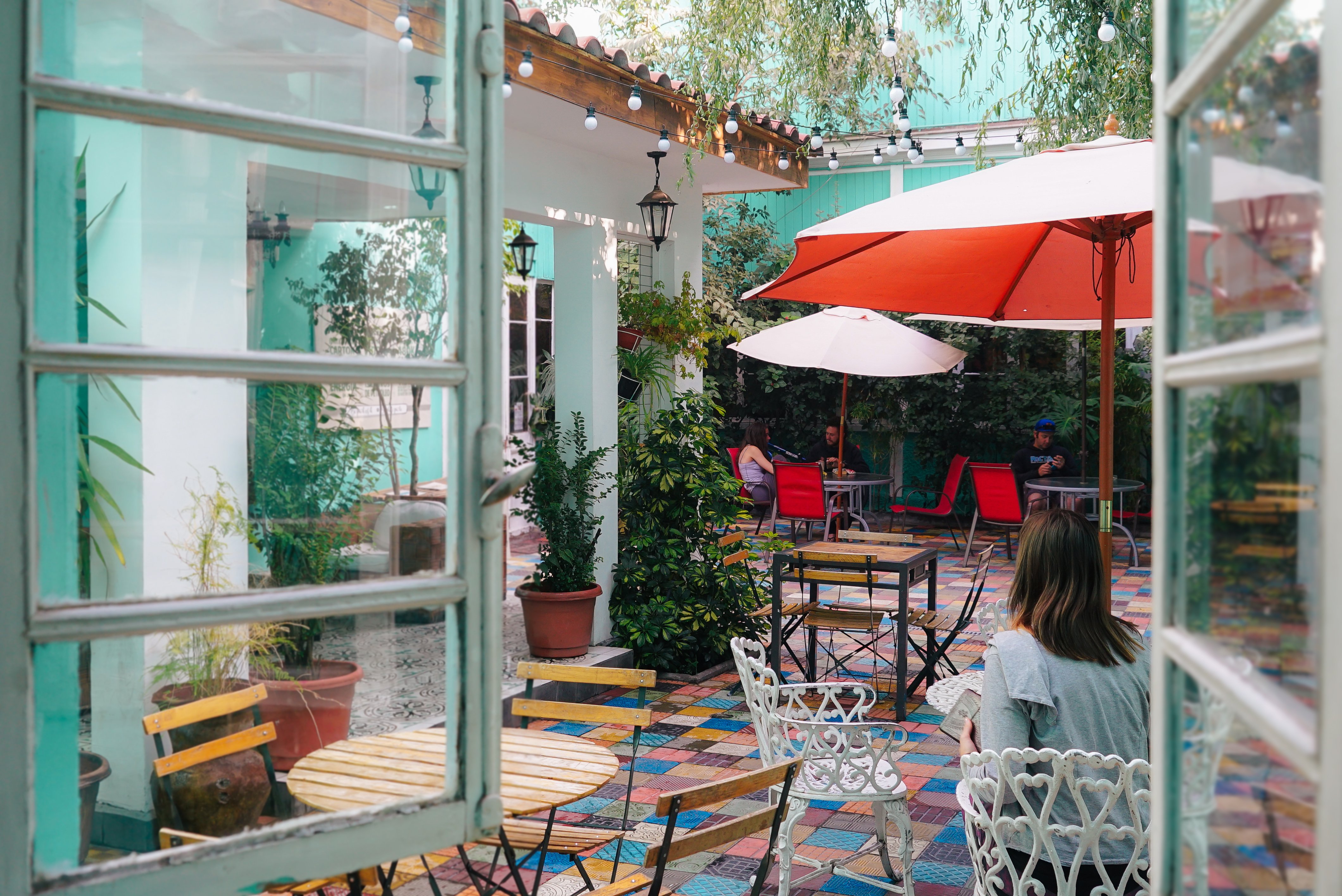
How to actually pick a hostel here
- ignore "top hostel" listicles older than a year — Santiago hostels rotate management, locks, and vibe fast
- read the most recent reviews specifically for theft, locker quality, staff response, and sketchy late-night entrances
- check whether "social" means social or just loud — different problems
- Santiago buildings have approximately zero insulation; winter "cold" reviews are not a translation error
The module up top handles ranking. The rest is your own noise tolerance.
Getting around
Metro and Tren Nos now take contactless Visa/Mastercard, plus Apple Pay and Google Wallet, directly. For Metro-only days, you don't need a bip! card. Buses still don't take direct bank-card tap — that's a bip! card or a QR/app. If you tap in with a phone, tap out with the same phone; mixing payment media breaks fare integration.
Bikes are unusually good here for a South American capital. Providencia, Ñuñoa, parts of Centro, and the Alameda corridor have real lanes; drivers are politer than the regional baseline. Bike Itaú is the share system — its own app, or use Uber's "2 wheels" option. Use it for Italia ↔ Providencia, Lastarria/GAM/Forestal, Ñuñoa hopping. Don't use it for late-night Bellavista returns or bus-terminal logistics.
SIMs
If you want a Chilean SIM as a foreigner, save yourself an afternoon: walk into the Movistar store in Costanera Center with your passport and have them activate it in person. The DIY flow technically supports passport entry but routinely jams on identity checks. Claro is the second-best fallback with the same failure mode.
If your phone supports eSIM, an eSIM is cleaner for short stays. If you put a Chilean SIM in a foreign phone for longer than a trip, read up on Multibanda — Chile asks for IMEI registration after a grace period.
Food: the best Chilean food is Peruvian food
Half a joke. Chilean food has its moments — empanadas de pino, pastel de choclo, cazuela, a completo italiano at 2am, mote con huesillo when it's hot — but the everyday peak in Santiago is usually Peruvian: ceviche, tiradito, ají de gallina, lomo saltado. The Peruvian diaspora cooks here at a level the average Chilean fonda doesn't try to match.
Where to actually eat:
- Barrio Italia — best hit rate for restaurants and bars
- Providencia — less romantic, more reliable
- La Vega / Tirso de Molina — produce chaos, cheap meals, lunch only
- Patronato — Korean, Arab, Peruvian; daytime food and shopping
- Franklin / Persa Bío Bío — weekend market food and browsing
Do La Vega, Tirso, Patronato, and Franklin by daylight. They're useful, not polished.
Things to actually do
Wine, the non-stupid way
Skip the all-day fake-luxury Maipo bus. Aquitania is a small Maipo Alto winery still inside the city, books direct, runs tours in English and Spanish, and pairs naturally with an east-side afternoon (add Templo Bahá'í or just dinner in Italia). Cousiño Macul is the easier second pick. Don't rent a car for tasting unless someone isn't drinking.
Culture you'd actually pay for, mostly free
Centro is dense with museums and most of them don't charge:
- Museo de la Memoria — dictatorship history, well-curated, heavy. Add Villa Grimaldi if you want the route to get serious.
- Centro Cultural La Moneda + Cineteca Nacional — exhibitions and the national film archive in one basement.
- GAM — theatre, dance, fairs, free programming most days.
- Matucana 100 — west-side theatre, cinema, exhibitions; less-trodden.
The calendars beat any "top 10" list: GAM, Matucana 100, CCLM, Centro Arte Alameda.
Walking routes that aren't Lastarria
- Yungay → Quinta Normal → Matucana 100 — older architecture, museums, real city texture, not gentrified to death.
- Museo a Cielo Abierto San Miguel — open-air mural district at neighborhood scale. Not Instagram bait — actual public muralism.
- La Vega → Patronato → Cementerio General — the long urban walk if you like cities for the city.
Markets
Franklin + Persa Bío Bío on a Saturday or Sunday morning. Antiques, second-hand, vinyl, tools, food. Metro Franklin, daylight, no tote-bag-of-everything.
Hikes (good, but not for a 2-day visit)
Cerro El Carbón and Cerro Manquehue are real and worth it on a longer stay, but each one eats half a day and most of your social energy. They're a third- or fourth-day move, not a Santiago must. If you've got time and clear weather: El Carbón is the easier first hike; Manquehue is steeper and less idiot-proof than it looks. Go early, bring water, treat them like real hills, not park strolls.
Safety, in approximate numbers
Santiago's workable. It's not a phone-dangling city; it's also not Caracas. The losses cluster: phone snatched on a Metro doorway, bag lifted at a sidewalk café in Lastarria, "helpful" stranger at a bus terminal or ATM. Stop doing those three things and your incident rate is roughly local-resident level.
Cheap rules:
- phones low-profile on sidewalks, terraces, and Metro doors
- daypack stays attached to you in bus terminals and restaurants
- by daylight: Franklin, La Vega, San Miguel, Yungay, cemeteries; not solo at night
- walk back out of any protest or police line you walked into by accident
Day trips that pay off
Valparaíso. Don't day-trip it. Sleep there. Day-trippers Uber up Cerro Alegre, photograph staircases, and bounce; people sleeping over get the actual port city after the checklist traffic clears.
Pomaire. Clay village, market streets, lunch. Slower-day energy, not adrenaline.
Cajón del Maipo. Only worth it with a real plan — transport, hours, weather, last-entry times. Not a "we'll just see" day.
Where next
- Valparaíso — port city, hills, murals, bookstores, nightlife
- Mendoza — wine and the Andes crossing; weather and border can both wreck a lazy plan
- Pucón / Puerto Varas / Bariloche — lakes, volcanoes, real landscapes
- San Pedro de Atacama — desert, altitude, expensive tours, undeniable scenery